Dulwich Village Rubbish Clearance SE21 Guide
Posted on 30/06/2026
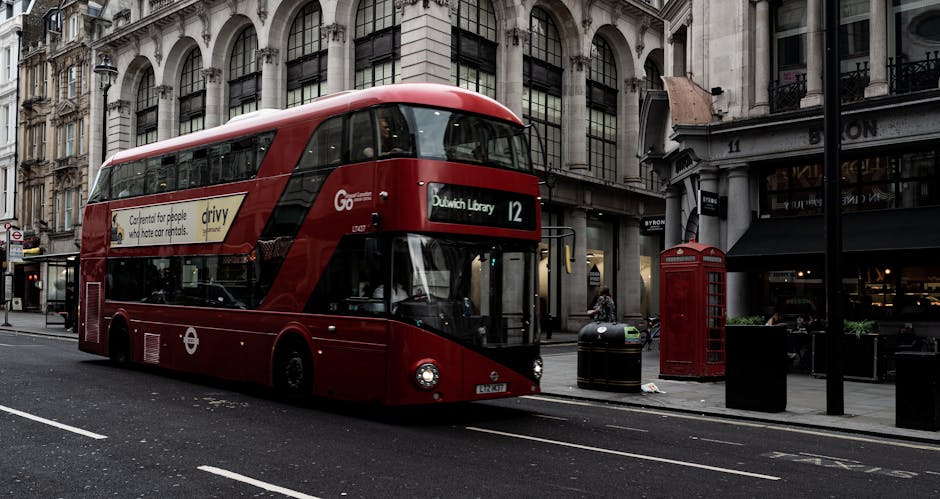
If you live, work, or are renovating in Dulwich Village, rubbish has a way of building up quietly and then suddenly taking over the hallway, garden, or front room. One minute it is a few bags, the next it is old furniture, broken shelving, garden cuttings, and a builders' pile that seems to have doubled overnight. This Dulwich Village Rubbish Clearance SE21 Guide is here to make the whole job feel clearer, calmer, and much more manageable.
Whether you are clearing a family home, sorting a loft after years of storage, handling office waste, or dealing with post-renovation debris, the basics are the same: plan it properly, choose a safe and lawful disposal route, and avoid paying twice because something was rushed. Sounds simple. In practice, not always. So let's break it down in plain English.
Why Dulwich Village Rubbish Clearance SE21 Guide Matters
Dulwich Village has a particular character. It is leafy, tidy, and residential, with a mix of period homes, family properties, small businesses, and ongoing improvements that never quite stop. That means rubbish clearance here is not just about "getting rid of stuff". It is about doing it with minimal disruption, avoiding trip hazards, respecting neighbours, and keeping access clear on streets where parking and turning space can already feel tight.
In an area like SE21, poor clearance choices show up quickly. A skipped collection can sit beside the pavement, a DIY load can eat up half a weekend, and a careless contractor can leave you with messy leftovers or a compliance headache. If that sounds dramatic, fair enough - but anyone who has tried to move a broken wardrobe down a narrow staircase on a rainy Tuesday will know the feeling.
There is also a wider value in getting it right. Efficient rubbish removal supports property maintenance, keeps gardens usable, helps businesses present well, and makes refurbishments less stressful. It also improves recycling outcomes when waste is sorted properly instead of bundled into one vague heap. That matters, especially if you care about sustainability and the long-term appearance of the area.
If you want a broader view of how the service fits into local needs, the services overview is a useful starting point. For home-specific jobs, you may also find house clearance in Dulwich helpful, while gardeners often look at garden waste removal in Dulwich when the green waste starts piling up after a big tidy-up.
How Dulwich Village Rubbish Clearance SE21 Guide Works
Rubbish clearance is usually straightforward once you understand the workflow. The aim is to assess the waste, decide the safest and most cost-effective removal method, load everything efficiently, and take it away for sorting, reuse, recycling, or disposal.
In practical terms, the process often looks like this:
- Identify the waste type. Is it household clutter, garden waste, office furniture, builders' rubble, or mixed junk?
- Estimate the volume. Not every pile is the same. A few bulky items can take more room than ten small bags.
- Check access. Narrow paths, steps, side returns, and parking restrictions all affect how the clearance is handled.
- Choose the right service level. Some jobs are a simple load-and-go. Others need sorting, disassembly, or careful handling.
- Remove and sort responsibly. Materials should be separated where possible to improve recycling and reduce landfill reliance.
- Clear the area properly. The job should end with the space swept through and left usable, not half-finished.
That final point matters more than people think. A proper clearance should leave your space feeling lighter, not just emptier. You notice it immediately - less clutter, less noise, less visual stress. There is a kind of relief in that.
For construction and refurbishment jobs, the approach is slightly different because heavy materials, sharp offcuts, plasterboard, tiles, and timber need more organised handling. If that is your situation, take a look at builders waste disposal in Dulwich. And if you are trying to decide whether to clear rubbish yourself or bring in professionals, this comparison of DIY vs professional rubbish removal is worth reading before you make a call.
Key Benefits and Practical Advantages
The biggest benefit of organised rubbish clearance is simple: you get your space back. But there are several other advantages that are easy to overlook until you need them.
- Less disruption. A planned clearance is quicker than repeated trips to the tip or endless staging of bags by the front door.
- Improved safety. Clutter, broken items, and stacked waste create trip hazards, blocked exits, and the occasional awkward bruise.
- Better property presentation. This matters if you are selling, letting, renovating, or hosting an event.
- More responsible disposal. Proper sorting improves reuse and recycling rates.
- Reduced stress. Once the waste is gone, everything else feels more manageable. Weirdly, that is often the biggest win.
- Time savings. One efficient collection usually beats a full weekend of dragging items back and forth.
There is also a commercial benefit. For offices, shops, and event spaces, clutter affects how people experience the place. A tidy, well-managed space signals professionalism. If your business needs a reset, an office clearance in Dulwich can be a far cleaner solution than trying to shoehorn waste into ordinary routines.
And for households going through a big transition - moving, downsizing, or clearing after a long period of storage - the right support can take the pressure off in a way that is difficult to measure but very real.
Who This Is For and When It Makes Sense
This guide is useful for anyone in Dulwich Village and the wider SE21 area who has waste that is too bulky, too much, or too awkward to manage comfortably on their own.
Typical situations include:
- Home clearances after decluttering, moving, bereavement, or a long-term tidy-up
- Garden clearance after pruning, hedge work, storm damage, or a full redesign
- Renovation or builders' waste from bathrooms, kitchens, extensions, or decorating jobs
- Office or workspace clearance where desks, chairs, filing, packaging, and old equipment need removing
- Event clean-downs after a private function, fundraiser, or community gathering
It also makes sense when you are short on time or physical capacity. Not everyone wants to lift awkward furniture, navigate stairs, or rent a vehicle for a single heavy load. To be fair, sometimes the sensible choice is simply to let someone else do the heavy lifting.
That is particularly true if you are already juggling a lot. For example, someone preparing a house for sale may be dealing with viewings, paperwork, repairs, and the usual emotional clutter that comes with sorting a family property. In that context, quick removal is not a luxury - it is a release valve.
If you are comparing removal needs across different situations, your rubbish removal needs page can help you think through the right type of service before you book anything.
Step-by-Step Guidance
If you want a smooth clearance in Dulwich Village, treat it like a small project rather than a last-minute scramble. Here is a practical sequence that works well.
- Walk through the property. Check every room, cupboard, shed, loft, and outdoor corner. Rubbish has a habit of hiding in plain sight.
- Separate items into broad groups. For example: rehome, recycle, donate, dispose, and keep. You do not need perfect sorting at this stage, just a sensible first pass.
- Identify anything sensitive. Paperwork, personal data, electrical items, chemicals, batteries, and anything sharp should be set aside for special handling.
- Measure large items or note access issues. A wardrobe that fits in the room may still be a nuisance on the stairs. Same with a fridge through a narrow side passage.
- Choose a suitable collection date. Avoid the day before a delivery, a viewing, or a deadline if you can help it. That just creates pressure.
- Clear access paths. Move smaller objects out of the way, protect flooring if needed, and keep doors open where practical.
- Confirm what is included. Check whether loading, sweeping, labour, and sorting are part of the service.
- Prepare payment and paperwork. Keep the booking details handy and ask about receipts or waste transfer documentation if relevant.
A small but useful habit: photograph the waste before collection. Not because you need drama, but because it helps create a clear record of what was agreed and what was removed. Handy if the pile changes between booking and collection day.
If you are wondering how to prep in more detail, the step-by-step rubbish removal preparation guide gives a good practical framework. And if your clearance follows a seasonal refresh, the tips in spring cleaning rubbish removal tips can save you from making the same sorting mistakes twice.
Expert Tips for Better Results
The best clearances are usually the ones that look boring from the outside. No last-minute panic, no overfilled bags, no mystery piles left in the corner. Here are the habits that make the biggest difference.
- Keep mixed waste to a minimum. If recyclable material gets tangled with general waste, sorting becomes slower and less efficient.
- Disassemble when sensible. Flat-packed furniture, bed frames, and shelving often travel better in pieces.
- Put priority items near the exit. If something must go first, stage it where the crew can reach it easily.
- Don't ignore hidden extras. Under-stair cupboards and garden stores often produce more waste than the main room.
- Ask how items are handled. This matters for electricals, metals, timber, and anything potentially reusable.
- Use the job as a reset. If you are clearing a room, think about what comes back in. Otherwise the clutter just sneaks back. It always does.
For a more sustainability-focused approach, recycling and sustainability is worth exploring, especially if you want to understand how waste can be handled more responsibly. Likewise, if you are dealing with mixed household and garden items after a larger tidy-up, combining house and garden planning can make the job far smoother.
Expert summary: The easiest way to improve rubbish clearance results is to make the waste easier to load and easier to sort. That saves time, reduces disruption, and improves the chance that usable materials are diverted from landfill.

Common Mistakes to Avoid
Most clearance problems come from a handful of avoidable mistakes. Nothing exotic. Just rushed decisions and a bit of optimism about how much will fit into a car boot.
- Leaving everything until the last minute. The pile always looks bigger on collection day.
- Assuming all waste is the same. Garden waste, builder debris, electronics, and household rubbish are handled differently.
- Forgetting access constraints. A job can stall if parking, lift access, or stair clearance has not been thought through.
- Not checking credentials. If a provider cannot explain how waste is handled, that is not a great sign.
- Underestimating volume. A "small clear-out" can become a full-room removal very quickly.
- Mixing keep and dispose piles. This one hurts. You only need to throw away one item you meant to keep before you start becoming very cautious.
It is also wise not to assume every service is the same. Licensed, insured, and transparent operators work differently from casual operators, and the difference shows in both reliability and peace of mind. If you want more context on that, why credentials matter in rubbish removal is a useful read.
One more thing: do not forget paperwork for business waste or mixed commercial clearances. There are practical record-keeping reasons for this, and they are not glamorous, but they matter.
Tools, Resources and Recommendations
You do not need much equipment for a standard clearance, but a few simple tools can make things run more smoothly.
- Heavy-duty bags and boxes for smaller loose items
- Gloves for handling rough, dusty, or awkward materials
- Tape and labels to mark keep, donate, and dispose zones
- A trolley or sack truck for heavier loads, if you have one
- Screwdriver or basic hand tools for dismantling furniture where needed
- Dust sheets or floor protection for interior moves through sensitive areas
On the planning side, a few resources are particularly useful:
- pricing and quotes for understanding how estimates are usually approached
- payment and security if you want reassurance around the checkout process
- insurance and safety for a clearer view of risk management
- about us if you want to know more about the team behind the service
If your needs are tied to a specific property type, the most direct resource is often the relevant service page. For example, homeowners may lean toward house clearance, while businesses should look more closely at office clearance. Simple, really, but the difference saves a lot of backtracking.
Law, Compliance, Standards, or Best Practice
Rubbish clearance in London should always be handled with care for legality, safety, and environmental responsibility. I will keep this plain and cautious, because overpromising here is a bad idea.
In practice, you should expect a professional service to work in line with accepted UK waste-handling norms, which typically means taking waste to appropriate facilities, sorting where possible, avoiding fly-tipping, and handling materials safely. For commercial waste, record-keeping and transfer documentation may also be relevant. For certain items, additional care is needed - electrical equipment, sharp objects, heavy materials, and anything potentially hazardous should not be treated like ordinary bagged rubbish.
Best practice also includes clear communication. You should know what is being removed, what is excluded, whether the crew needs access details in advance, and how the waste will be processed. If a service is vague about those basics, that is worth pausing over.
This is also where sustainability comes in. Good waste management is not only about getting things off site. It is about reducing unnecessary disposal and making it easier to reuse or recycle wherever possible. That is why a thoughtful approach to sorting can make a real difference.
For business owners, the practical side of compliance is especially important. business rubbish removal and compliance goes deeper into the kind of expectations companies should be aware of. And if you are the sort who likes understanding how regulations differ between places, this comparison of London vs Manchester rubbish removal regulations can be surprisingly useful.
Options, Methods, or Comparison Table
There is no single best way to handle rubbish clearance in Dulwich Village. The right method depends on the amount of waste, the time you have, and how sensitive the items are. Here is a simple comparison.
| Method | Best For | Pros | Trade-Offs |
|---|---|---|---|
| DIY clearance | Small, light, low-risk waste | Can be flexible and low cost if you already have transport | Time-consuming, physically demanding, and easy to underestimate |
| Man-and-van style clearance | Mixed household waste, bulky items, modest one-off jobs | Fast, convenient, less lifting for you | Needs good access planning and clear item lists |
| Full service clearance | Large home clearances, office moves, multi-room projects, complex waste | Most efficient, least stress, better for awkward loads | May cost more than doing it yourself, though not always once time and transport are counted |
| Specialist disposal | Garden waste, builders' debris, heavy refurbishment waste | Better suited to the material, more organised handling | Requires correct categorisation and booking |
For a domestic reset, DIY can work if you truly only have a few light bags. But once you hit bulky furniture, mixed waste, or a deadline, professional support starts looking very sensible. That is especially true in a busy residential area where loading and parking are not exactly generous.
If your project is specifically renovation-related, specialist support is often the cleanest path. In those cases, the builders' waste disposal service is usually a better match than trying to force the job into a general household removal.
Case Study or Real-World Example
Here is a realistic example from the kind of job people in Dulwich Village often face.
A homeowner is preparing a period property for sale. The spare room has become a holding area for old suitcases, a broken chest of drawers, a disused desk, a rug, boxes of books, and several bags from a half-finished loft sort. The garden shed is also full of old plant pots, trellis, and offcuts from a previous landscaping job. Nothing dangerous, but plenty awkward.
At first glance, it looks like a "few items". In reality, it is several categories of waste, two access points, and a job that will take longer if handled piecemeal. The homeowner separates donate-worthy items from disposal items, photographs the larger objects, clears the hallway, and books a collection with a clear list of what needs going.
The actual removal is faster than expected because the items are staged neatly. The team can move in a clean sequence, the shed is emptied without fuss, and the main rooms are ready for decorating the same afternoon. The result is not just less clutter. It is momentum. The whole property suddenly feels more sale-ready.
That is the real value of a good clearance: it unlocks the next step. You are no longer surrounded by "things to deal with". You can move on.
Practical Checklist
Use this checklist before collection day. It keeps everything tidier and, honestly, saves a lot of back-and-forth.
- Walk through every room, loft, shed, and outdoor storage area
- Separate items into keep, donate, recycle, and dispose piles
- Note any heavy, fragile, sharp, or awkward items
- Measure large furniture if access looks tight
- Clear hallways, entrances, and garden paths
- Protect flooring if needed
- Confirm the collection time and any access instructions
- Ask what happens to reusable or recyclable items
- Keep valuables and personal documents safely away
- Make sure pets and children are kept clear during loading
- Check whether the service includes sweeping up afterwards
- Keep any payment or receipt details ready
One small but worthwhile habit: do a final five-minute sweep of the space right before the crew arrives. You always spot something. Always.
Conclusion
Dulwich Village rubbish clearance does not need to be complicated. The best results usually come from simple, careful planning, the right service for the job, and a bit of honesty about how much waste you are actually dealing with. Whether you are clearing a home, a garden, an office, or a renovation site, the aim is the same: get the space back without creating new problems.
Choose a method that matches the volume, the access, and the type of waste. Keep an eye on compliance and safety. Think about recycling where possible. And do not wait until the rubbish has become the most stressful thing in the room. It has a sneaky way of doing that.
If you are weighing up the most suitable next step, compare your needs carefully and use the site resources linked above to narrow things down before you book. A well-planned clearance can make a genuinely big difference, especially in a place as characterful and lived-in as Dulwich Village.
Get a free quote today and see how much you can save.


From a young age, Blair has cultivated a passion for order, which has now matured into a prosperous profession as a waste removal specialist. She derives satisfaction from transforming disorderly spaces into practical ones, aiding clients in conquering the burden of clutter.
 Tipper Van - Junk Collection and Rubbish Clearance Prices in Dulwich, SE21
 Luton Van - Junk Collection and Rubbish Clearance Prices in Dulwich, SE21