Eco-Friendly Rubbish Disposal: Sustainable Practices for UK Homes
Posted on 02/01/2026

Eco-Friendly Rubbish Disposal: Sustainable Practices for UK Homes
We all want cleaner streets, lighter bins, and a home that feels calm instead of cluttered. But the real win? Doing it in a way that's kind to the planet and your wallet. This guide explores Eco-Friendly Rubbish Disposal: Sustainable Practices for UK Homes with a practical, human touch--so you can make smarter decisions, avoid common pitfalls, and actually feel good when bin day rolls around. To be fair, the little changes add up fast. You'll see why.
Picture this: a rainy Tuesday in Manchester, the bin lorry rumbling down the road, and you're standing in the kitchen with a yoghurt pot in one hand and a cardboard sleeve in the other, wondering which bin is which. We've been there. And we've helped hundreds of households tidy their systems, reduce waste by a third, and save money--without going full eco-warrior. Just common sense. Clean, clear, calm. That's the goal.
Why This Topic Matters
Eco-Friendly Rubbish Disposal: Sustainable Practices for UK Homes isn't just a nice idea--it's becoming essential. The UK's household recycling rate sits at around the mid-40% mark, which means nearly half of our everyday waste still isn't recycled. Add to that the rising cost of waste disposal, landfill taxes (which are, frankly, expensive), and the carbon footprint of transporting and processing waste, and you start to see the bigger picture. Small household decisions--what we buy, how we sort, what we reuse--move the needle.
There's also a quality issue. Contaminated recycling can ruin entire loads, meaning everyone's effort gets undone. Food waste in general rubbish breaks down in landfill and emits methane, a potent greenhouse gas. Meanwhile, a surprising portion of what we throw out--textiles, electricals, even building offcuts--could be reused or responsibly recycled if we channel them to the right places. Truth be told, the bin isn't always the answer. It's often the last resort.
In our experience, households that set up a simple system--labelled bins, a small compost solution, a plan for bulky items--see a dramatic reduction in waste within 6-8 weeks. One family in Bristol told us they could literally smell the difference; fewer black bags sitting around, less food waste festering between collections. That's the quiet, everyday reward of sustainable rubbish removal.
Key Benefits
These are the core wins when you adopt eco-friendly waste disposal practices at home:
- Lower bills: Reducing waste can mean smaller bins, fewer collection fees for private pickups, and less purchasing of single-use items.
- Cleaner home, calmer mind: De-cluttering responsibly creates breathing space. You can feel it when you walk into the room.
- Reduced carbon footprint: More reusing and recycling = less landfill, lower emissions, and fewer new materials needed.
- Compliance and peace of mind: Using licensed carriers and following local council rules keeps you on the right side of UK regulations.
- Better community outcomes: Charity shops, repair cafes, and swaps keep useful items in circulation and help neighbours.
- Smarter purchasing habits: You naturally buy less and choose better, more durable products--money saved over time.
- Healthier spaces: Less waste sitting around means fewer smells, spills, and pests. You could almost smell the cardboard dust when it's gone--clean air feels different.
Step-by-Step Guidance
Here's a practical route-map to Eco-Friendly Rubbish Disposal: Sustainable Practices for UK Homes. It's not all-or-nothing. Start small, stick with it, build momentum.
Step 1: Audit your bins
- Empty and sort one week's waste onto a sheet or tarp (garage or garden works). Eye-opening, yes. But honest.
- Group items: food waste, paper/card, plastics, glass/metal, textiles, electricals, garden waste, and the dreaded "misc."
- Note the top three categories by volume and weight. That's where to focus first.
Micro-moment: A couple in Leeds found that snack packaging made up a shocking portion of their recycling mistakes. Simple swap to larger tubs and refill shops, problem halved.
Step 2: Set up a simple sorting station
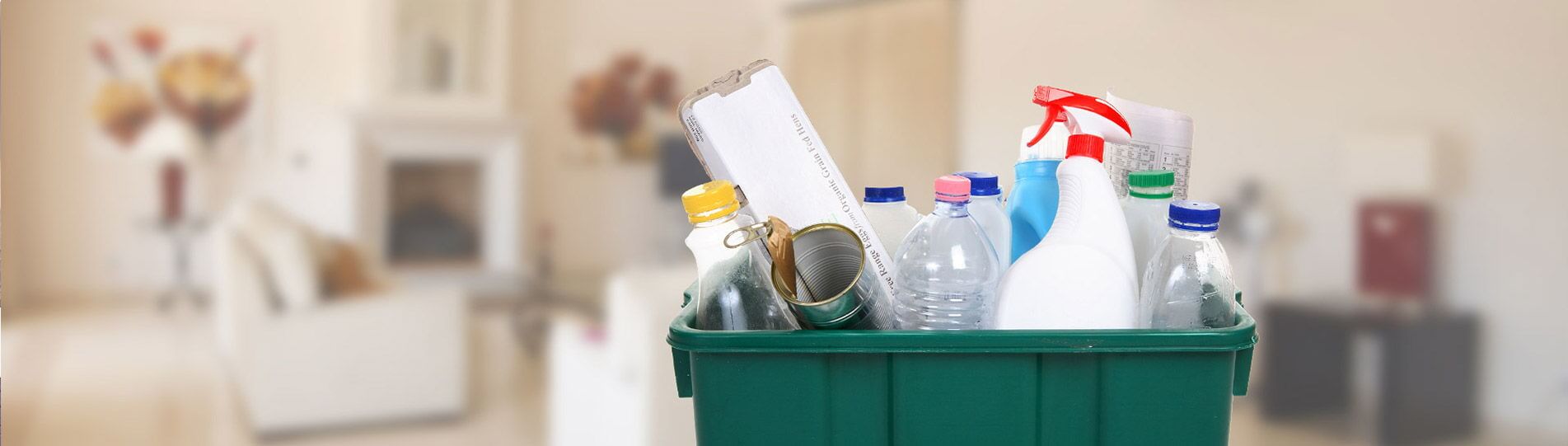
- Kitchen: One small caddy for food waste (with liners approved by your council if required), one for recycling, one for general waste.
- Utility/hall: Add a box for "soft plastics to drop-off" if your council doesn't collect them at kerbside. Many supermarkets now accept these.
- Garage/shed: Create space for bulky items: old paint, DIY waste, batteries, WEEE (Waste Electrical and Electronic Equipment) for safe trips to the household recycling centre.
Label clearly. Keep it reachable. If it's easy, you'll do it without thinking. If it's hard, well... you won't.
Step 3: Learn your local rules (they matter)
- Check your council's accepted items for each bin. One wrong item can contaminate the whole lot.
- Note collection days and frequency. If you can, put bins out the morning of collection to reduce scavengers and smells.
- Request extra recycling boxes if you're overflowing. Councils often provide them free or at low cost.
Ever tried clearing a room and found yourself keeping everything "just in case"? Same thing with recycling mistakes. A little clarity goes a long way.
Step 4: Tackle food waste first
- Meal plan around what's already in your fridge. Simple, but powerful.
- Freeze leftovers in clear containers with dates. Future-you will be grateful on a wet Wednesday.
- Compost: choose a garden compost bin, wormery, or bokashi for flats. Each handles food waste differently; all reduce smells if done right.
In UK homes, food waste is the quick win. Less smell, less guilt, less volume.
Step 5: Make a reuse loop
- Set a "re-home" basket for items still useful: books, toys, small appliances.
- Use local options: charity shops, Freecycle, community Facebook groups, and repair cafes.
- For better-value items, try online reselling. A quick clean, a decent photo, job done.
One Saturday, a London renter cleared a hallway of four unused chairs in under two hours via a local swap group. The hallway looked bigger. She swore the flat felt lighter.
Step 6: Plan for problem items
- Batteries & bulbs: keep a small pot for these--take to supermarket collection points or your recycling centre.
- Paint, chemicals, gas canisters: treat as hazardous; use council guidance or book specialist collection. Do not pour down drains.
- Electricals (WEEE): from kettles to laptops, recycle via council sites or retailer take-back schemes.
Yeah, we've all been there--staring at a dead printer wondering what to do. There is a route. It's just not your wheelie bin.
Step 7: Buy better, waste less
- Choose reusable over disposable: bottles, coffee cups, cloths, nappies (if it fits your life).
- Pick products with minimal or recyclable packaging.
- Invest in quality that lasts--especially electronics and cookware.
When you stop waste at the source, everything else gets easier. And quieter.
Expert Tips
- Rinse quick, not perfect: A short swill removes food residue. No need for hot water or spotless shine.
- Flatten cardboard and bottles: Space-saving means fewer overflow issues and cleaner storage.
- Store food waste cool: Keep the caddy somewhere ventilated. A sprinkle of bicarbonate of soda cuts odours.
- Soft plastics strategy: Keep a separate bag for crisp packets, bread bags, films; drop at participating supermarkets weekly.
- Textiles are gold: Even worn-out textiles can be recycled into rags or insulation if bagged and labelled "textile recycling".
- Calendar reminders: Bin day, recycling centre trips, battery drop-offs--set recurring reminders on your phone. Takes seconds.
- Community "waste maps": Note where your nearest charity shops, refill stores, and drop-off points are. Familiarity = action.
- Seasonal reviews: Post-Christmas, pre-summer move, pre-school term--do a 20-minute audit and reset the system.
One small habit we love: keep a designated "errands crate" by the door--dead batteries, return parcels, the odd book for donation. It all gets done in one loop, usually on a Saturday.
Common Mistakes to Avoid
- Wishcycling: Putting non-recyclables in the recycling because you hope for the best. It contaminates whole loads.
- Food-covered packaging: Greasy pizza boxes? Tear off the clean lid for recycling, bin the oily base.
- Bagging recyclables in black sacks: Many MRFs (recycling facilities) reject opaque bags. Use clear sacks if required--or loose in boxes.
- Mixing batteries with general waste: Fire risk. Batteries can ignite during collection or compaction.
- Unlicensed waste carriers: Fly-tipping penalties can hit the householder if you hired the wrong person. Always check the licence.
- Ignoring textile reuse: Clothes in the bin are a waste. Donate, swap, or recycle even if worn-out.
- Over-composting the wrong stuff: Certain cooked foods attract pests. Use bokashi or a sealed system for those.
Ever tried to force a big cardboard box into an overflowing bin at 10pm? We have. Flatten it earlier. Future-you will thank you.
Case Study or Real-World Example
The Brown Family, Nottingham: From overflowing bins to easy weekly routines
Starting point: two adults, two kids, a dog, and a garage that had become a mystery zone. Recycling confused, food waste high, council bins often overfull. They wanted eco-friendly rubbish disposal that felt doable, not preachy.
- Week 1 audit: Food waste and soft plastics were the main culprits; lots of snack wrappers, half-used salad bags, and cardboard left unflattened.
- System reset: Added a vented food caddy, separate soft plastics bag, and shelf bins for "donate/repair/recycle". Labelled everything.
- Habits: Friday fridge clear-out before the weekly shop; kids' "swap box" for toys; calendar reminder for battery drop-off.
- Results (8 weeks): General waste down by about 35%, recycling cleaner, one full boot-load donated, and--this made them laugh--the dog stopped raiding the caddy because it actually closed properly.
It was raining hard outside that day they finally took the garage load to the recycling centre. They said the drive back felt lighter. Not just the car.
Tools, Resources & Recommendations
These tools make sustainable rubbish removal practical and repeatable:
- Kitchen caddies with charcoal filters to reduce smell; compostable liners where your council requires or accepts them.
- Home composters: classic bins for gardens, wormeries for courtyards, and bokashi for flats (great for cooked foods).
- Clear stackable boxes for garage sorting: textiles, WEEE, paint/chemicals (sealed), soft plastics, and "donate".
- Label maker or marker pens for crystal-clear instructions (especially helpful for kids and guests).
- Apps and platforms: Freecycle, Olio (food sharing), community groups, repair cafe listings, and local council apps for collection reminders.
- Basic repair kit: screwdriver set, superglue, needle and thread. A five-minute fix saves a trip to the tip.
- Reusable shopping kit: fold-away bags, produce bags, water bottle, coffee cup, lunch box. Keep a set in the car or by the door.
Pro move: Keep a laminated "what-goes-where" sheet on the inside of a cupboard door. Visitors will actually use it. So will sleepy you at 7am.
Law, Compliance or Industry Standards (UK-focused)
Being eco-friendly and compliant go hand-in-hand. Here are the essentials for UK households:
- Environmental Protection Act 1990 and the Duty of Care: While businesses have formal obligations, householders must still ensure their waste is disposed of legally. If you hire someone to take waste, you must use a licensed waste carrier.
- Waste (England and Wales) Regulations 2011: Embeds the waste hierarchy--prevention, reuse, recycling, recovery, disposal. Councils and contractors operate within this framework.
- WEEE Regulations (Waste Electrical and Electronic Equipment): Electricals should be collected and treated separately. Many retailers offer take-back schemes; councils provide designated WEEE points.
- Household Waste Recycling Centres (HWRCs): Councils run these with rules on identification, DIY waste limits, and hazardous materials. Always check opening hours and accepted items.
- Single-use plastics rules (England, Wales, Scotland): Recent restrictions cover certain single-use items like polystyrene food containers and plastic cutlery in many cases. Check your nation's specific guidance, as details vary.
- Food waste collections: Reforms in England ("Simpler Recycling") are expanding separate weekly food waste collections across councils over the next couple of years. Scotland and Wales already have more extensive separate food waste services.
- Landfill Tax: While paid by waste operators, costs pass through the system. The standard rate is high--well over ?100 per tonne--so reducing residual waste saves money and emissions.
- Carrier licences and transfer notes: If you use a private service for bulky waste, ensure they are registered with the Environment Agency (or equivalents in Scotland, Wales, Northern Ireland). Keep receipts or a digital copy as proof.
- Textile and mattress recycling initiatives: Growing across the UK, often via charity and social enterprise partners. Use official channels--avoid leaving items on pavements.
- Packaging Extended Producer Responsibility (EPR): Phasing in from 2025 to make producers fund more of recycling costs. Expect clearer labelling and improved collections over time.
Practical compliance tip: Always ask a waste carrier for their registration number and check it on the public register. A two-minute check protects you from fly-tipping liability. It's worth it.
Checklist
Use this quick checklist to embed Eco-Friendly Rubbish Disposal: Sustainable Practices for UK Homes into your weekly rhythm:
- Bins set up: Food caddy, recycling, general waste, optional soft plastics bag.
- Labels visible: Clear, simple, and consistent.
- Council rules: Know what goes where, collection days saved in your calendar.
- Compost solution: Garden bin, wormery, or bokashi decided and started.
- Problem items plan: Batteries, bulbs, paint, WEEE--designated storage and drop-off plan.
- Reuse pipeline: Donate or swap box, apps installed, charity shop route noted.
- Kitchen habits: Meal plan, fridge audit before shopping, labelled leftovers in the freezer.
- Monthly reset: 20-minute check-in to keep it all humming.
Miss a week? No drama. Reset and carry on. Progress, not perfection.

Conclusion with CTA
Eco-friendly rubbish disposal for UK homes doesn't have to be complicated. With a few smart systems--clearly labelled bins, a food waste plan, a route for problem items--your home gets cleaner, your conscience lighter, and your costs often lower. And that's before we even touch on the bigger picture: fewer emissions, less landfill, more community reuse. Little choices, big impact.
So start today. Flatten one box. Set one reminder. Offer one item to a neighbour. You'll feel the difference, honestly.
Get a free quote today and see how much you can save.
Whatever you choose, keep it simple and kind to yourself. One step, then the next.
 Tipper Van - Junk Collection and Rubbish Clearance Prices in Dulwich, SE21
 Luton Van - Junk Collection and Rubbish Clearance Prices in Dulwich, SE21