How to Prepare for Rubbish Removal: Your Step-by-Step Guide
Posted on 26/01/2026
How to Prepare for Rubbish Removal: Your Step-by-Step Guide
If you've ever stood in a hallway stacked with old boxes, cables, and that slightly wobbly bookcase you swore you'd fix, you know the feeling: where do I even start? This is your complete, expert-led roadmap on how to prepare for rubbish removal--clear, legal, efficient, and kinder on your wallet. In our experience, a little planning saves hours of headache, a lot of money, and the occasional neighbourly complaint. Let's face it, getting rid of stuff is weirdly emotional. But it's also liberating. Clean, clear, calm. That's the goal.
We'll walk through every step--from sorting and safety to compliance with UK waste laws--so your rubbish clearance day runs like clockwork. We'll add the real-world details too: the smell of cardboard dust, the hum of the hoover as you do a last sweep, the quiet satisfaction of space reclaimed. And the kettle on, of course.
Why This Topic Matters
Rubbish removal sounds simple--book a van, load the junk, wave goodbye. In reality, preparation is the difference between a smooth, 30-minute pick-up and a costly, frustrating, all-day saga. Proper prep affects everything from legal compliance and safety to recycling outcomes and price. And truth be told, it's not just about stuff. It's about space, time, and peace of mind.
In the UK, you're legally responsible for what happens to your waste even after it leaves your drive (the "duty of care"). That means choosing a licensed carrier and sorting waste correctly isn't optional--it's essential. Ever tried clearing a room and found yourself keeping everything "just in case"? Yeah, we've all been there. Having a method changes the game.
And there's a broader impact. Responsible rubbish clearance preparation keeps items out of landfill, supports reuse charities, and cuts CO?. On a wet Tuesday in London, with council collection three days away and a flat move looming, that planning is gold.
Key Benefits
- Lower costs: Segregated, easy-to-access waste reduces loading time and disposal fees. Less labour = lower bill.
- Faster collections: Clear pathways and pre-sorted materials turn a messy job into a swift one.
- Higher recycling rates: Clean, separated waste is easier to recycle or donate--better for the planet (and sometimes cheaper).
- Legal confidence: Comply with UK regulations--no nasty fines, no risks from rogue collectors.
- Safer spaces: Handling bulky items, glass, and e-waste safely prevents injury--no smashed toes, no cuts.
- Less stress: A clear plan calms the chaos. You'll sleep better the night before pickup.
- Privacy protection: Properly shredding or obscuring personal details on documents reduces identity theft risk.
One client told us, "We spent 45 minutes sorting, and saved two hours on the day." Small effort, big return.
Step-by-Step Guidance
Here's the practical core of How to Prepare for Rubbish Removal: Your Step-by-Step Guide. Work through each stage and you'll be ready--confidently.
1) Define the Scope
- Walk the space: Room by room, list what's going. Take photos. You'll spot things you'd otherwise miss--like that dusty printer under the desk.
- Measure bulky items: Sofas, wardrobes, mattresses. Note awkward stairwells and tight turns (classic Victorian terraces, we see you).
- Estimate volume: A standard builders' bag is about 1 cubic yard. A small van load is roughly 3-4 yards. Get a rough yardage to help with quotes.
2) Choose the Right Disposal Route
- Reuse/Donate: Furniture in good condition? Consider local charities, Freecycle, or community groups.
- Resale: Marketable items can offset your costs--Facebook Marketplace, Gumtree, eBay.
- Council services: Bulky waste collections are affordable but may have long lead times or limits.
- Professional rubbish removal: Quick, flexible, handles mixed waste and heavy lifting. Ensure they're Environment Agency licensed.
- Skip hire: Great for projects with ongoing waste. Check permits if placing on a public road.
To be fair, mixing methods often works best: donate what's good, recycle what you can, and book a collection for the rest.
3) Sort and Segregate
Segregation improves recycling rates and reduces fees. Create clearly labelled piles or bags:
- General waste: Non-recyclable household rubbish.
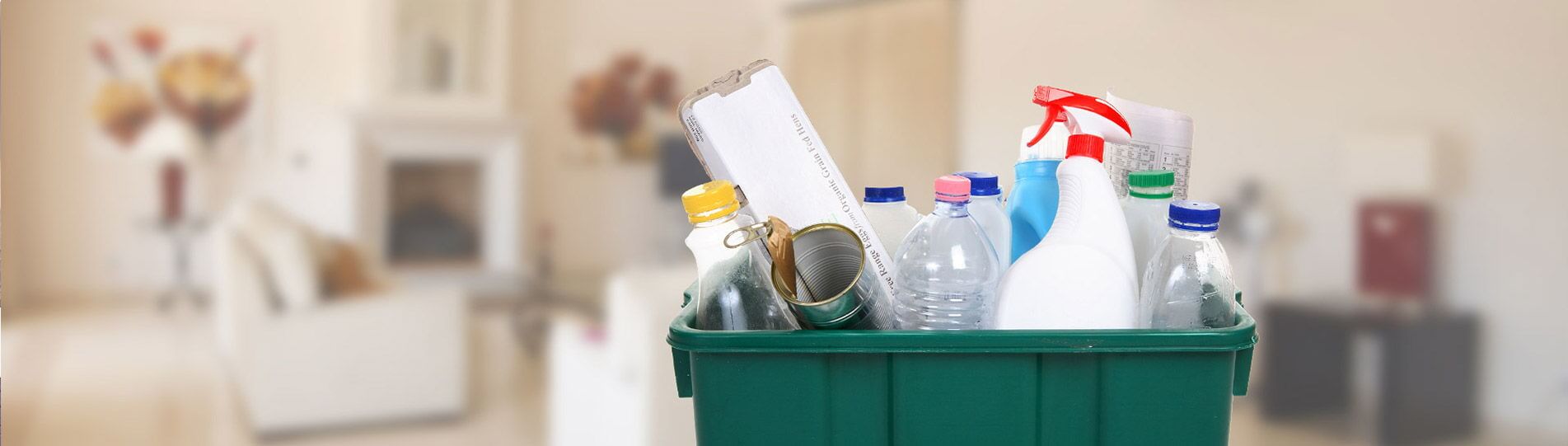
- Mixed dry recyclables: Cardboard, paper, plastics (clean), metals, glass.
- Wood: Untreated vs. treated.
- Green waste: Garden trimmings, soil (keep separate).
- WEEE (electricals): TVs, laptops, kettles, cables, fridges/freezers.
- Textiles: Clothing, linens--bag dry to preserve reuse value.
- Hazardous: Paints, solvents, batteries, fluorescent tubes--handle with care.
You could almost smell the cardboard dust in the air when you break down boxes. A quick brush-up helps, a lot.
4) Prepare Items for Safe Handling
- Disassemble where possible: Remove table legs, detach headboards, flatten boxes, tape doors/drawers shut.
- Wrap sharp or fragile items: Blankets, bubble wrap, or cardboard sheets. Label "Glass" clearly.
- Drain appliances: Defrost and empty fridges/freezers 24 hours prior. Drain washing machines to avoid leaks.
- Seal liquids: Tighten lids on paint tins or oils; double-bag if needed.
- Data wipe: Factory-reset phones/laptops and remove SIMs. Shred documents with personal details.
5) Clear Access and Plan Logistics
- Parking: Reserve space for the vehicle. If you're in a controlled parking zone, arrange a visitor permit or temporary dispensation.
- Access routes: Measure doorways and hallways; clear tripping hazards; protect floors with sheets.
- Lift and stairs: Check lift dimensions and availability. Book a lift key if required in flats.
- Neighbours: Give a polite heads-up if a shared hallway will be used. It's good manners.
6) Confirm the Legal Bits
- Licensed carrier: Ask for their Environment Agency waste carrier number and check it on the public register.
- Waste transfer paperwork: Ensure you receive a Waste Transfer Note (for non-hazardous) or a Consignment Note (for hazardous).
- Fridge/freezer handling: Confirm proper WEEE-compliant disposal--recovery of refrigerants is mandatory.
7) Get an Accurate Quote
- Provide photos and item list: Include rough volumes and any awkward access details (e.g., "third floor, no lift").
- Ask what's included: Labour time, loading, disposal, parking, call-out, and surcharges (e.g., mattresses, fridges).
- Clarify recycling: Ask where waste goes and what percentage is recycled. Professional teams will know.
8) Prepare for Collection Day
- Group items: Move piles close to the exit (if safe to do so). Keep hazardous items separate and labelled.
- Secure pets and kids: Doors open, people moving--keep it calm and safe.
- Have tools to hand: Allen keys, screwdrivers, utility knife, heavy-duty tape. Plus, a broom.
- Payment and paperwork: Confirm payment method and request digital invoices and transfer notes for your records.
Then, kettle on. Five minutes of tea often equals better decisions.
9) Aftercare
- Final sweep: Quick hoover or brush. It feels good, trust me.
- Check for stragglers: Cables behind desks, drawers within drawers (it happens), or attic corners.
- Review and file: Keep all paperwork and photos. If you're a landlord or business, you'll want that audit trail.
Expert Tips
- Start with "easy wins": Cardboard, textiles, and e-waste you don't use--momentum matters.
- Use the one-touch rule: When you pick an item up, decide: keep, donate, sell, or discard. No maybes (well, one small maybe box).
- Label like a pro: A marker and tape save confusion: "Bedroom--donate", "Kitchen--WEEE". Simple, but powerful.
- Go vertical: Stack neatly against one wall, heaviest at the bottom, delicate items clearly marked.
- Protect your back: Bend knees, keep load close, don't twist. If it's too heavy--stop. It can wait.
- Plan for weather: Rain is common. Have tarps or plastic sheeting to keep cardboard and textiles dry.
- Book mid-week mornings: Generally cheaper and quicker than peak weekend slots.
- Ask about reuse partners: Many carriers work with charities. Better for the planet--and that warm fuzzy feeling.
- Photograph appliances and serials: Handy for warranty or compliance questions later.
- Small bribe for yourself: A treat after. Clearing out is work--celebrate the space you've made.
Ever move a wardrobe at 7am and think, why does it squeak like that? Its kinda wild. You'll see why when the room finally breathes.
Common Mistakes to Avoid
- Leaving everything mixed: It slows the job and may increase disposal costs. Sort first.
- Forgetting access: No parking or blocked stairwells can halt a job. Plan the route.
- Hiring unlicensed collectors: If your waste is fly-tipped and traced back, you could be fined. Always verify licenses.
- Not disassembling bulky items: That extra 10 minutes with an Allen key can save 30 minutes of manoeuvring.
- Ignoring hazardous waste rules: Paints, batteries, fridges, and fluorescent tubes need special handling.
- Underestimating volume: Better to slightly overestimate than face extra fees on the day.
- Skipping paperwork: No Waste Transfer Note? That's a red flag. Keep your records.
- Leaving it to the last minute: Good slots go fast, especially at month-end and pre-bank holidays.
One more: donating items without checking condition. Charities appreciate clean, safe items. A quick wipe and test goes a long way.
Case Study or Real-World Example
Scenario: A couple in a second-floor flat in Islington needed a pre-move clear-out: two wardrobes, a sofa, mixed boxes, a broken laptop, and a fridge-freezer.
What we did: We guided them through photos and a short call. They measured the stairwell (narrow, classic 1890s). We advised disassembling the wardrobe, defrosting the freezer 24 hours prior, and bagging textiles separately. Parking was tight, so they arranged a visitor permit and saved a space with cones (and a friendly note to neighbours).
On the day: Items were grouped by the front door, pathways clear, pets in the bedroom (bless the cat, not amused). Two techs arrived at 9:00, loaded in 35 minutes, issued a digital Waste Transfer Note, and confirmed WEEE-compliant handling for the fridge and laptop. 89% of the waste by weight was recycled or reused.
Outcome: The bill came in 18% lower than the initial estimate due to excellent prep and easy access. The tenants said the flat felt twice as big. The rain held off. Mostly.
Tools, Resources & Recommendations
- Essential kit: Heavy-duty refuse sacks, clear recycling bags, sturdy boxes, marker pens, tape, gloves, basic tool set (screwdrivers, Allen keys), dust sheets, tarps.
- Safety gear: Work gloves, boots with good grip, safety glasses when handling glass or snapping wood.
- Volume calculators: Use a cubic yard estimator or simply think in builder's bags (1 bag ? 1 yard).
- UK compliance checks: Environment Agency public register (for waste carrier licenses).
- Disposal guidance: Your local council's waste pages; look for lists of accepted items and booking rules for HWRCs (Household Waste Recycling Centres).
- Charity reuse: Local hospice shops, British Heart Foundation furniture & electrical, community swaps--call ahead for collection criteria.
- Payment & records: Keep digital copies of quotes, invoices, and Waste Transfer Notes; store in a simple cloud folder.
Recommendation from years of doing this: a thick-tip marker and consistent labels. It keeps everyone on the same page--literally.
Law, Compliance or Industry Standards (UK-focused if applicable)
Understanding the rules isn't scary--it's smart. Here are the big ones affecting rubbish removal preparation in the UK:
- Environmental Protection Act 1990 (Duty of Care): You must take all reasonable steps to ensure your waste is kept, transferred, and disposed of safely. That includes using a licensed carrier and keeping records.
- Waste (England and Wales) Regulations 2011: Encourages the waste hierarchy: prevention, reuse, recycling, recovery, disposal. Your prep should reflect this order.
- WEEE Regulations 2013: Electricals must be collected, treated, and recycled properly. Fridges/freezers require specialist handling due to refrigerants.
- Hazardous Waste Regulations: Items like paints, oils, solvents, fluorescent tubes, and batteries have specific requirements and often need a Consignment Note.
- Producer Responsibility (Packaging, Batteries): While mainly for businesses, it shapes local recycling routes and acceptance rules.
- Household Waste Duty of Care Code of Practice: Practical guidance on meeting your legal obligations--worth a read.
- Skips & permits: Placing a skip on a public highway requires a permit and lights/cones. Rules vary by council.
Paperwork you should expect:
- Waste Transfer Note (WTN): For non-hazardous waste--records the transfer from you (the waste holder) to the carrier.
- Consignment Note: For hazardous waste--details the type, quantity, and handling route.
- Carrier license number: Verify on the Environment Agency register. If it's not valid, that's your cue to walk away.
One small but important add-on: if you're disposing of documents with personal data, consider UK GDPR. Shred or securely destroy, then ensure the remains are handled correctly.
Checklist
Use this quick checklist from How to Prepare for Rubbish Removal: Your Step-by-Step Guide to make sure you've covered everything:
- Walk-through done; list and photos taken
- Bulky items measured; access assessed
- Disposal routes chosen (donate/sell/recycle/remove)
- Waste segregated: general, recyclables, wood, WEEE, textiles, hazardous
- Items disassembled where needed; fragile items wrapped
- Appliances defrosted/drained (24 hours)
- Data wiped; documents shredded
- Parking arranged; pathways cleared; floors protected
- Children/pets plan in place
- Licensed carrier verified; paperwork requested
- Accurate quote received; inclusions confirmed
- Tools ready: allen keys, tape, gloves, tarps
- Aftercare planned: sweep, final check, file paperwork
Stick this on the fridge. Irony intended.
Conclusion with CTA
Preparing for rubbish removal isn't about perfection. It's about clarity. A few measured steps--sorting, safe handling, access, and compliance--turn a messy chore into a quick, professional job. And when the door finally closes and the room stands quiet, you'll feel it. Space returned. Time reclaimed.
Whether it's one armchair or a whole flat, this guide helps you plan, protect your budget, and do it right. You've got this.
Get a free quote today and see how much you can save.
And if today's the day you take the first step--well, that's something to feel good about.
 Tipper Van - Junk Collection and Rubbish Clearance Prices in Dulwich, SE21
 Luton Van - Junk Collection and Rubbish Clearance Prices in Dulwich, SE21