West Dulwich Station Waste Removal and Access Tips
Posted on 14/07/2026
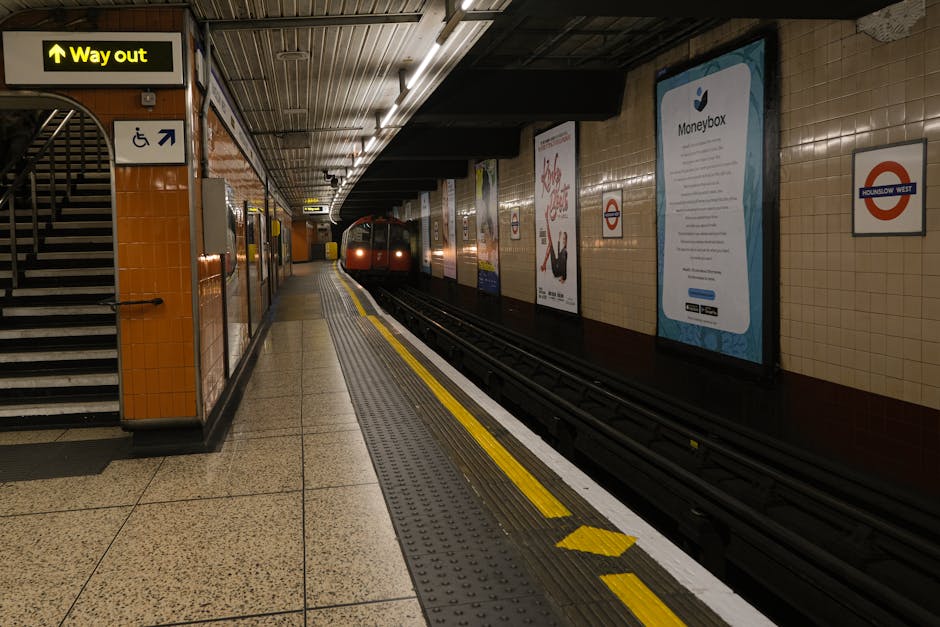
If you are planning a rubbish collection near West Dulwich Station, the tricky part is often not the waste itself. It is the access. Narrow roads, parked cars, rail-adjacent footfall, tight time windows, and awkward loading points can all turn a simple clearance into a bit of a shuffle. This guide to West Dulwich Station Waste Removal and Access Tips is here to make that easier, whether you are clearing a flat, managing a small business, or arranging builder's waste from a local project.
In practice, good access planning saves time, reduces stress, and helps collections run safely. That matters around a busy station area where vehicles, pedestrians, and neighbours all need a bit of consideration. Below, you will find a clear, practical walkthrough of how collections usually work, what to prepare, common mistakes to avoid, and how to make the whole thing feel far less chaotic. Let's keep it simple, useful, and real.
Why West Dulwich Station Waste Removal and Access Tips Matters
Waste removal near a station is never just a matter of "turn up and collect". Around West Dulwich Station, access conditions can change quickly depending on the time of day, nearby parking pressure, school runs, delivery traffic, and how much space is available for loading. If you ignore those details, even a straightforward job can end up taking longer than it should. That usually means more disruption, more walking back and forth, and more chance of a small mistake turning into a big one.
Good access planning matters for three main reasons. First, it protects people. Rubbish bags, broken furniture, plasterboard, and mixed builders' waste are awkward at the best of times. Secondly, it protects property. A rushed move from a tight kerbside point can scrape walls, doors, or stair rails. Thirdly, it protects the schedule. If the vehicle cannot park close enough, the team may need extra carry distance or a different loading approach. Nobody wants a calm morning to become a mini obstacle course.
There is also the local reality of station-side living and working. Many homes and commercial units near transit points have limited storage, shared access, or a loading area that is already under pressure. If you are using a professional service, the cleaner and clearer your access note is, the smoother the visit tends to be. That is why broader guidance like how to prepare for rubbish removal is so useful alongside local access planning.
How West Dulwich Station Waste Removal and Access Tips Works
Most local waste removals follow a simple pattern: you describe the job, the team assesses access, a vehicle is assigned, and the collection happens at an agreed time. The access part is where a lot of the real thinking happens. A good operator will want to know whether there is a driveway, a permit restriction, stairs, a shared hallway, a rear alley, or a narrow frontage with no practical stopping space. That may sound fussy, but it is usually the difference between a smooth lift and a frustrating delay.
Here is how the process usually breaks down in plain English:
- Initial assessment: You explain the waste type, approximate volume, and any access issues. Photos help a lot.
- Vehicle planning: A suitable vehicle and crew size are selected based on how far they need to carry items and whether there is close parking.
- Arrival and positioning: The team checks whether the route from property to vehicle is safe and clear.
- Collection: Items are removed in a way that minimises damage and avoids blocking entrances or pathways.
- Sorting and disposal: Waste is separated for recycling, reuse, or responsible disposal where possible.
For more detail on service types and how local collections are typically handled, it can help to browse the services overview before booking. And if your job is more involved than a basic clear-out, the specific guidance on builders' waste disposal in Dulwich is especially handy for renovation sites and heavier material.
One small but important point: access plans should be based on reality, not optimism. "There should be room" is not the same as "there is room". If a van can only stop legally at a distance, the carry route needs to be treated as part of the job, not an afterthought.
Key Benefits and Practical Advantages
When access is thought through properly, the whole experience becomes easier. You are not just improving one collection slot; you are making the job safer, faster, and often more affordable in practice. That last point is worth saying carefully. I'm not talking about magic discounts. I mean fewer delays, fewer awkward surprises, and less time spent compensating for avoidable access problems. That usually helps everyone.
- Less disruption: Neighbours, shopfronts, and pedestrians are less affected when the route is clear and planned.
- Safer handling: Crews can lift and move items without rushing or twisting awkwardly in tight spaces.
- Better scheduling: Teams can arrive at the right time with the right vehicle, which reduces repeat visits.
- Cleaner finish: A tidy loading point means less mess left behind on pavements, steps, or shared entrances.
- Better value: Efficient access can make the service more straightforward overall.
Another practical gain is recycling quality. When items are easy to separate at the point of collection, there is less chance of mixed waste becoming a problem. If sustainability matters to you, have a look at recycling and sustainability for the broader approach. It is not glamorous, but it is the kind of detail that adds up.
Expert summary: Near West Dulwich Station, the biggest wins usually come from simple things: clear photos, honest access notes, sensible timing, and a route that is free of surprises. Nothing fancy. Just good planning.
Who This Is For and When It Makes Sense
This topic is relevant to a surprisingly wide group of people. If you are living, renting, managing, or working near the station, access can shape the whole collection experience. The following situations are especially common:
- Homeowners clearing lofts, garages, sheds, or bulky household items.
- Tenants and landlords dealing with end-of-tenancy rubbish or leftover furniture.
- Businesses needing office, stockroom, or shop clearance with minimal downtime.
- Builders and renovators generating rubble, timber, plasterboard, packaging, and mixed site waste.
- People dealing with a bereavement or major declutter who want the process to feel respectful and organised.
It also makes sense if you are comparing DIY removal with a professional collection. Around a station area, DIY is often less simple than it looks because of parking, carrying distance, loading, and the practical hassle of transporting waste safely. There is a thoughtful breakdown of that choice in DIY vs professional rubbish removal, which is worth reading if you are undecided.
For local residents wanting a broader feel for the area, this Dulwich local guide offers useful context on how day-to-day life and access patterns can shape practical decisions. Truth be told, a lot of what makes a collection easy comes down to knowing the local rhythm.
Step-by-Step Guidance
If you want the smoothest possible collection near West Dulwich Station, follow a process rather than hoping it all works out on the day. Here is a clear approach.
- Take stock of what needs removing. Separate general waste, bulky items, electricals, and anything that may need special handling. A rough list is fine.
- Check access from the property to the road. Look for narrow gates, low steps, tight corners, shared hallways, or any locked barriers.
- Photograph the access route. A couple of pictures of the front door, path, parking area, or rear entrance can save a lot of back-and-forth.
- Choose the best time slot. If mornings are crowded near the station, an off-peak collection may be easier. Not always possible, but often worth asking about.
- Clear the route before the team arrives. Move bins, bikes, plant pots, and anything else likely to get in the way.
- Communicate parking realities. If there is no driveway or loading bay, say so. If a permit or loading restriction might apply, mention that clearly.
- Keep the collection point tidy and visible. Piled bags in a dark hallway or behind a locked gate can slow everything down.
- Walk the route with the crew if needed. A thirty-second conversation at the start can prevent a lot of faffing later.
A small real-world example: a flat clear-out that looks simple on paper can become slow if the only access is through a shared hallway with a narrow turn and no nearby stopping space. Once the team knows that in advance, they can plan the right number of crew members and the right trolley or carry method. Problem solved before it becomes a problem. Mostly.
Expert Tips for Better Results
There are a few habits that consistently improve collections in busy local areas. These are the kinds of details that experienced teams rely on, and they are usually easy for customers to adopt too.
- Be precise about access, not just waste volume. "Three sofas" is useful, but "three sofas up two flights of stairs with no parking outside" is much more useful.
- Think in walking distance. If the van cannot stop directly outside, measure the carry route mentally. Thirty metres can feel fine on a phone call and exhausting in real life.
- Watch the weather. Rain makes steps slippery and cardboard heavier. On a drizzly London morning, that matters more than people expect.
- Use clear labels for mixed waste. If you have items that need sorting, make them visible and separated where possible.
- Plan around neighbours and businesses. If your building shares an entrance, try to avoid peak commuting or delivery times.
For customer context, local businesses may also want to read rubbish removal for businesses and compliance rules. It gives a good sense of how commercial jobs differ from ordinary domestic clearances, especially where access and responsibility overlap.
If you are handling a renovation, the article on builders' waste disposal in Dulwich is a practical companion. A lot of access issues on building jobs come from stacked materials, temporary obstructions, and the simple fact that nobody wants dust and debris carried through a shared space twice.
Common Mistakes to Avoid
Most problems around waste removal near station areas are not dramatic. They are just small oversights that snowball. The good news? They are very avoidable.
- Assuming the van can stop anywhere. Restrictions, traffic, and local parking pressure can change that quickly.
- Forgetting about stairs or internal turns. A bulky item can be easy to lift but awkward to pivot.
- Mixing everything together. If recyclables, electricals, and general waste are all piled in one awkward heap, sorting takes longer.
- Not measuring large items. Sofas, wardrobes, mattresses, and desks can look smaller in photos than they are in person.
- Leaving access notes until the last minute. A quick message the day before is better than a rushed explanation as the crew arrives.
- Blocking the path with extra items. It sounds obvious, but it happens all the time. One chair becomes four, then it's suddenly a maze.
Another common error is underestimating how much local timing affects access. Around a station, a route that is clear at 10 a.m. may be much busier at 8:15. The same road, very different experience. That is why planning matters more than people think.
Tools, Resources and Recommendations
You do not need specialist equipment to prepare well, but a few simple tools make life easier. Keep it practical.
- Phone camera: Take pictures of access routes, stairwells, gates, and any potential pinch points.
- Measuring tape: Handy for checking bulky furniture or narrow hallway widths.
- Sticky notes or labels: Useful for marking items that stay, items to go, and anything fragile.
- Bin bags and tape: Simple, but essential for keeping smaller waste manageable and tidy.
- Torches or phone light: Helpful for basements, side paths, or dim rear access during early or late collections.
For wider service information, rubbish clearance in Dulwich and waste removal in Dulwich are useful starting points if you are comparing different kinds of collection support. If your job involves a full property emptying, house clearance in Dulwich is also relevant, especially where access needs a bit of extra care.
For readers who want to understand cost structure before booking, this guide to rubbish removal costs can help frame expectations without making assumptions. And if you are still deciding whether to use a professional service, the page on why credentials matter is worth a look.
Law, Compliance, Standards, or Best Practice
Because waste removal involves transport, sorting, and disposal, it sits within a framework of UK best practice and responsibility. I want to be careful here: this article is not legal advice, and local requirements can vary depending on the waste type, property setup, and contractor arrangement. Still, a few principles are worth keeping in mind.
First, waste should be handled responsibly and handed to a service that can explain what happens to it. Secondly, businesses have additional responsibilities around waste storage, documentation, and disposal arrangements, so it is sensible to understand those expectations in advance. Thirdly, safety should always be part of the plan. If a route is blocked, unstable, slippery, or too tight for safe lifting, it should be adjusted rather than forced.
That is also where trusted company processes help. If you want to see how safety is approached in practice, the information on insurance and safety is useful. The same goes for the modern slavery statement, which gives a sense of the wider ethical and operational standards expected from a responsible business. For policies that shape the customer journey, you may also want to review the terms and conditions and privacy policy before booking.
Best practice, in plain terms, means honesty, safety, and traceability. No guesswork. No dumped loads. No pretending a tricky access route is fine when it clearly isn't.
Options, Methods, or Comparison Table
There is more than one way to handle waste near West Dulwich Station. The right choice depends on volume, access, urgency, and how much lifting you want to do yourself.
| Method | Best for | Pros | Potential drawbacks |
|---|---|---|---|
| DIY car or van trips | Very small loads | Flexible if you already have transport | Parking, multiple trips, loading effort, disposal complexity |
| Skip hire | Projects with steady waste over time | Good for ongoing work and larger volumes | Needs space, may not suit tight station-area access |
| Professional man-and-van collection | Bulky items, mixed loads, quick clear-outs | Less lifting for you, faster turnaround, access help | Timing depends on vehicle access and route planning |
In many station-adjacent jobs, a professional collection is the least stressful option because it handles the awkward bits for you. That said, if the waste is tiny and access is easy, a simple self-managed trip can still make sense. The honest answer is: it depends. No need to make it more dramatic than that.
Case Study or Real-World Example
Here is a typical local scenario, kept general on purpose. Imagine a top-floor flat a short walk from West Dulwich Station. The resident wants to clear a sofa, a wardrobe, several black bags, and some old kitchen bits. On first glance, it seems straightforward. But the building has a narrow staircase, shared entry, and no safe place for a van to stop directly outside for long.
What makes the collection work is not force. It is preparation. Photos are sent ahead, the access route is described accurately, and the resident clears the hallway before the team arrives. The crew arrives with the right vehicle, uses a sensible carrying route, and does not waste time trying to improvise around a blocked entrance. The result is a tidy collection and far less disruption for neighbours.
This sort of thing happens all the time, and to be fair, it is usually the small details that decide whether the day feels easy or annoying. If you live locally and want more context about the neighbourhood feel, the article on exploring Dulwich's hidden gems gives a nice sense of how varied the area is, even from one street to the next.
Practical Checklist
Use this checklist before collection day. It is simple, but it saves headaches.
- Confirm exactly what is being removed.
- Take photos of the access route and any tight points.
- Measure large items if there is any doubt.
- Clear the path from the property to the pickup point.
- Move bikes, bins, prams, pots, and loose clutter out of the way.
- Check whether parking, stopping, or loading will be difficult near the station.
- Tell the provider about stairs, shared hallways, side entrances, or locked gates.
- Separate recycling, electricals, and hazardous items where possible.
- Keep pets and children away from the route during loading.
- Have a quick backup plan if access changes on the day.
If you are already at the planning stage, the guide on spring cleaning and rubbish removal tips can be helpful for organising a broader clear-out. And if you are looking at the service in a more general way, your rubbish removal needs is a sensible place to start.
Conclusion
West Dulwich Station Waste Removal and Access Tips really comes down to one thing: plan the access as carefully as the waste. If you get the route right, the rest tends to fall into place much more easily. You reduce delays, protect property, and make the whole collection feel calmer for everyone involved.
That calmer feeling matters. Especially in a busy local area where space is tight, people are moving, and nobody wants a lorry-sized headache in the middle of the day. Be honest about the route, tidy up the access point, and choose the collection method that suits the actual conditions on site. Simple, but effective.
If you are still weighing up your options, reviewing service details, access needs, and preparation steps now can save a lot of hassle later. And honestly, a little planning goes a long way.
Get a free quote today and see how much you can save.
When the job is handled well, the difference is almost invisible - and that is usually the best sign of all.

From a young age, Blair has cultivated a passion for order, which has now matured into a prosperous profession as a waste removal specialist. She derives satisfaction from transforming disorderly spaces into practical ones, aiding clients in conquering the burden of clutter.
 Tipper Van - Junk Collection and Rubbish Clearance Prices in Dulwich, SE21
 Luton Van - Junk Collection and Rubbish Clearance Prices in Dulwich, SE21